245 Franklin Avenue, Franklin Square, NY 11010(516) 354-7018

Construction And Renovation planning for the site’s stated service area

Accessibility

The strongest scope explains what must work, who depends on it, and how completion will be tested. eastcoastwall.com presents this page as a focused planning resource for the exact subject shown above.

Discuss requirements: (516) 232-8932

Editorial reference BE2322D02E · eastcoastwall.com

Define the outcome before requesting a proposal

For accessibility, start with the people and business processes that depend on the result. Record current conditions, recurring frustrations, required availability, security expectations, physical restrictions, ownership of accounts, and the date by which a change is actually useful. That context gives eastcoastwall.com and any competing provider a consistent problem to solve.

The page topic combines Accessibility, Continuity, Documentation, Testing. Those terms should become concrete requirements rather than repeated keywords. Write down quantities, locations, users, busy periods, integrations, existing contracts, known defects, and the evidence that will demonstrate completion. The cutover plan should cover both a successful launch and the steps to take if an external dependency is delayed.

Accessibility: discovery

Inventory anything related to accessibility that must remain, change, connect, or retire. Include devices, services, pathways, numbers, permissions, vendors, documentation, and responsible contacts. Mark facts that still require a survey or third-party confirmation.

Continuity: decisions

Separate requirements from preferences. Compare options using the same assumptions for the site’s stated service area, including one-time work, recurring charges, licenses, prerequisites, training, testing, support hours, warranties, and the cost of later changes.

Documentation: acceptance

Describe observable tests for the finished work. Assign who attends, what is measured, how exceptions are recorded, and when the project moves to support. Acceptance should match the stated business outcome, not only confirm that equipment powers on.

A page-specific planning checklist

  • Confirm the scope associated with Accessibility and identify anything explicitly excluded.
  • Document the current state of Continuity, including quantities, locations, ownership, and known limitations.
  • Ask how Documentation will be configured, protected, tested, and explained to the people who use it.
  • Identify dependencies involving Testing, building access, carriers, other vendors, permits, or unavailable records.
  • Define support and change procedures for Ownership after the implementation team leaves.
  • Keep a written fallback for Support if a cutover, delivery, approval, or acceptance test is delayed.

Operational readiness includes training, escalation paths, account custody, diagrams, test evidence, and a list of remaining exceptions.

Decision notes specific to Accessibility

The following prompts use the exact page subject, accessibility, to keep this the site’s stated service area discussion distinct from a general technology overview.

As acceptance tests are drafted for accessibility, compare required outcomes with optional features for accessibility. A concise worksheet is more useful than relying on separate email threads, verbal promises, and product screenshots. For security review involving Accessibility, require each important claim to map to an observable acceptance check. A concise exception log can preserve decisions that would otherwise be lost across calls and messages.

At the site-review stage for accessibility, write the measurable outcome expected from accessibility. The team can use that baseline to reject unnecessary complexity without losing a genuinely required capability. For user readiness involving Continuity, document exclusions and optional work beside the related requirement. It also gives support staff a useful starting point if the issue returns after launch.

Before responsibilities are assigned for accessibility, map the busiest workflows that depend on accessibility. The notes should distinguish verified conditions from items that still require access, testing, or third-party confirmation. For customer communication involving Documentation, define how routine requests differ from urgent incident escalation. That control makes exceptions visible while there is still time to choose a response.

Before a budget is approved for accessibility, separate confirmed facts from assumptions surrounding accessibility. The same information later helps support staff understand why the selected design differs from a generic configuration. For post-launch support involving Testing, stage disruptive work around real operating hours and customer commitments. This makes schedule changes and added cost easier to approve or reject responsibly.

As technical options are narrowed for accessibility, define the interruption window acceptable for accessibility. This makes tradeoffs easier to explain to both technical reviewers and the people approving the expense. For cost control involving Ownership, prepare short user instructions for the workflows most likely to change. A written control also makes the implementation easier to review without relying on memory.

Before purchasing begins for accessibility, identify external approvals and vendor dependencies affecting accessibility. The discovery record becomes the source for scheduling, change approval, testing, documentation, and handoff. For schedule control involving Support, separate preexisting problems from defects introduced during the work. It becomes especially useful when several organizations share responsibility for the outcome.

Questions to resolve for accessibility

What is included?

Request an itemized scope covering equipment, labor, configuration, project coordination, testing, documentation, training, taxes, recurring services, and optional work. This reveals gaps that a headline price can hide.

How is risk controlled?

Ask about access limitations, protection of existing operations, backups, staged work, change approval, rollback, cleanup, and escalation. The right controls depend on the actual the site’s stated service area environment described during discovery.

Who owns the result?

Confirm ownership of accounts, configurations, records, licenses, equipment, diagrams, and support relationships. A maintainable accessibility result should not depend on a single person’s inbox or memory.

Commercial stucco, EIFS, building envelope, and exterior wall systems

Accessibility

Modern, organized support for accessibility from East Coast Wall Systems. Clear planning, useful documentation, and dependable communication from the first conversation through completion.

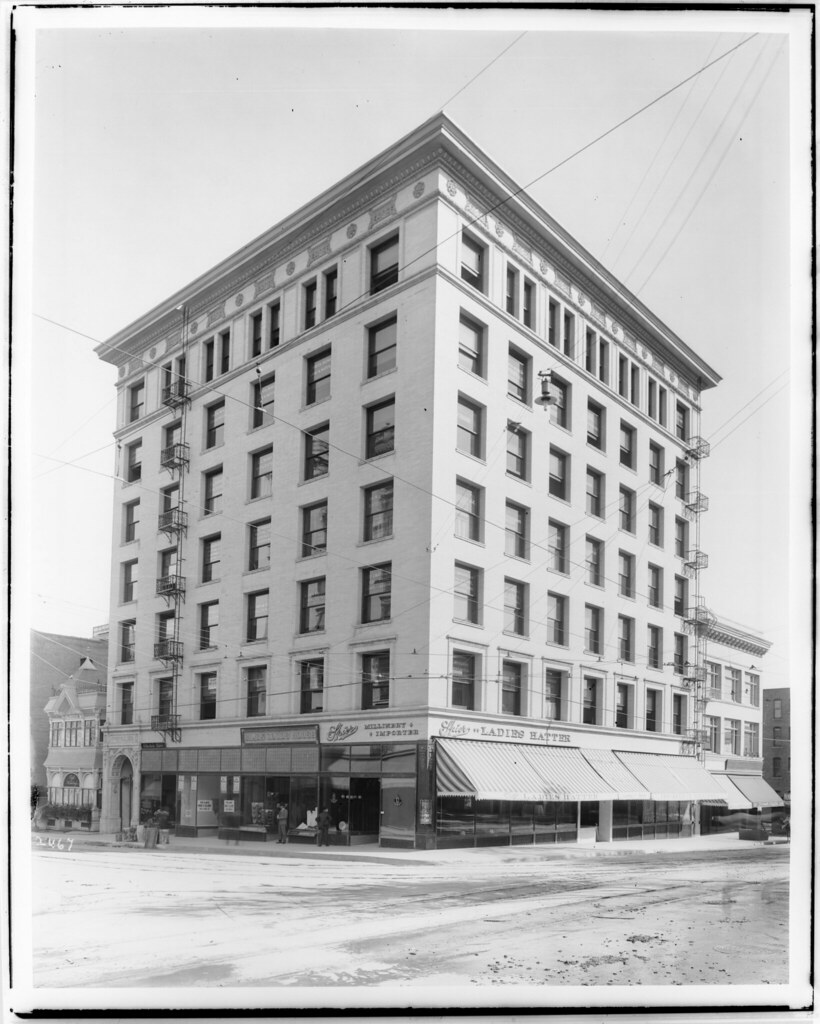
commercial building exterior 06 for Accessibility
Stucco wall texture and finish detail.

Practical Planning for Accessibility

East Coast Wall Systems provides practical, carefully planned commercial stucco, EIFS, and exterior wall systems services for clients who need dependable communication, clear scheduling, and work that respects the property and the business behind it. The company serves Franklin Square with an emphasis on organized project planning, responsive support, and straightforward recommendations.

Every project starts with a review of goals, constraints, timing, existing conditions, and future needs. That conversation helps separate urgent work from long term improvements, so the finished plan is useful rather than generic. Clients get a clear scope, realistic next steps, and a service approach that fits the way the property or organization actually operates.

The work is built around durable choices, clean documentation, and communication that keeps owners, managers, and decision makers informed. Whether the need is a focused repair, a planned upgrade, a larger buildout, or ongoing support, East Coast Wall Systems keeps the process grounded in visible details and measurable progress.

For commercial stucco, EIFS, and exterior wall systems in Franklin Square, the right provider needs to understand both the technical side of the work and the practical side of the environment. Access, scheduling, safety, budget control, coordination with other trades, and future maintenance all affect the final result. Those factors are considered before recommendations are made.

The service process includes discovery, site review, scope development, implementation, documentation, and follow up. This structure reduces surprises and makes it easier for clients to compare options. When a simpler repair makes sense, it is treated seriously. When a larger upgrade is the better path, the reason is explained clearly.

East Coast Wall Systems avoids one-size-fits-all planning. Different homes, commercial spaces, teams, and facilities have different priorities. Some clients need speed, others need phased work, and others need a long term roadmap. The goal is to deliver useful work that fits the real conditions of the site.

Clients often ask about cost, disruption, timing, and what should be handled first. Those questions are part of the planning process. A good scope identifies what is required now, what can wait, and what decisions affect future flexibility. That approach supports better budgeting and fewer emergency changes.

The company also places value on clean handoff. Completed work should be understandable after the crew leaves. Labels, notes, photos, product details, and maintenance guidance are used where appropriate so owners and managers can make better decisions later.

A useful plan also considers what happens after the initial project is finished. Materials, systems, vendors, warranties, hosting records, maintenance intervals, access requirements, and support responsibilities can all affect long term value. East Coast Wall Systems builds those considerations into the conversation so the work is easier to maintain and easier to expand when needs change.

Many projects involve older conditions, undocumented changes, or competing priorities. The first visible problem is not always the only issue that matters. A measured review helps identify underlying causes, related risks, and practical options. This is especially important for clients who need to avoid repeat service calls, unplanned downtime, water intrusion, comfort problems, unreliable technology, or confusing handoffs.

Communication is treated as part of the service rather than an afterthought. Clients should know what is being reviewed, what decisions are needed, what work is scheduled, and what remains open. That matters for homeowners coordinating around daily routines, managers coordinating access to occupied properties, and business owners trying to keep staff productive while improvements are underway.

The recommendations for commercial stucco, EIFS, and exterior wall systems are shaped around the property, the people using it, and the expected lifespan of the work. A small office may need a practical upgrade path. A busy commercial property may need phasing that avoids disruption. A homeowner may need design choices that balance comfort, appearance, reliability, and future resale. The details change, but the planning discipline stays the same.

When comparing providers, clients should look for clear explanations, realistic timelines, and a willingness to document assumptions. Vague scopes can create avoidable confusion once work begins. East Coast Wall Systems focuses on defining what is included, what is excluded, what depends on existing conditions, and what should be reviewed before final decisions are made.

Service quality also depends on coordination. Some projects require access planning, building rules, utility coordination, product lead times, or sequencing with other trades and vendors. By identifying those issues early, the work can move with fewer interruptions and better expectations. This is one reason discovery and planning are emphasized before implementation.

For clients in Franklin Square, local conditions can influence scheduling, material choices, code considerations, building access, and support expectations. East Coast Wall Systems uses local service experience to keep recommendations practical. The goal is not to oversell a larger project; the goal is to create a path that solves the current need and reduces avoidable future problems.

The page you are reading is part of a broader site structure built to help visitors compare services, locations, and project types without digging through vague marketing copy. Related pages explain adjacent services, service areas, and common planning questions. Those internal resources make it easier to understand where commercial stucco, EIFS, and exterior wall systems fits into a larger property, facility, or business technology plan.

Clear ScopePractical recommendations before work starts.
Modern DeliveryOrganized scheduling, documentation, and follow up.
Local SupportResponsive service for real business and property needs.

Modern Service Approach

East Coast Wall Systems uses a structured process: discovery, scope, scheduling, implementation, documentation, and follow up. That structure keeps the work understandable and helps clients make decisions with fewer surprises.

Common Questions

How does East Coast Wall Systems start a project?

Most work starts with a short discovery conversation, a review of priorities, and a practical scope that explains next steps before implementation begins.

Can the work be phased?

Yes. When timing, access, or budget requires it, the plan can separate urgent needs from future improvements.

What should I prepare before calling?

Useful details include the location, current conditions, goals, timing, access constraints, and any prior documentation or photos.
Ready to Plan the Next Step?

Talk with East Coast Wall Systems about priorities, timing, scope, and practical options.

Contact Us

Contact us

Tell us what you need and a local specialist will respond.

We use this form only to respond to your request. Do not include passwords or sensitive account information.